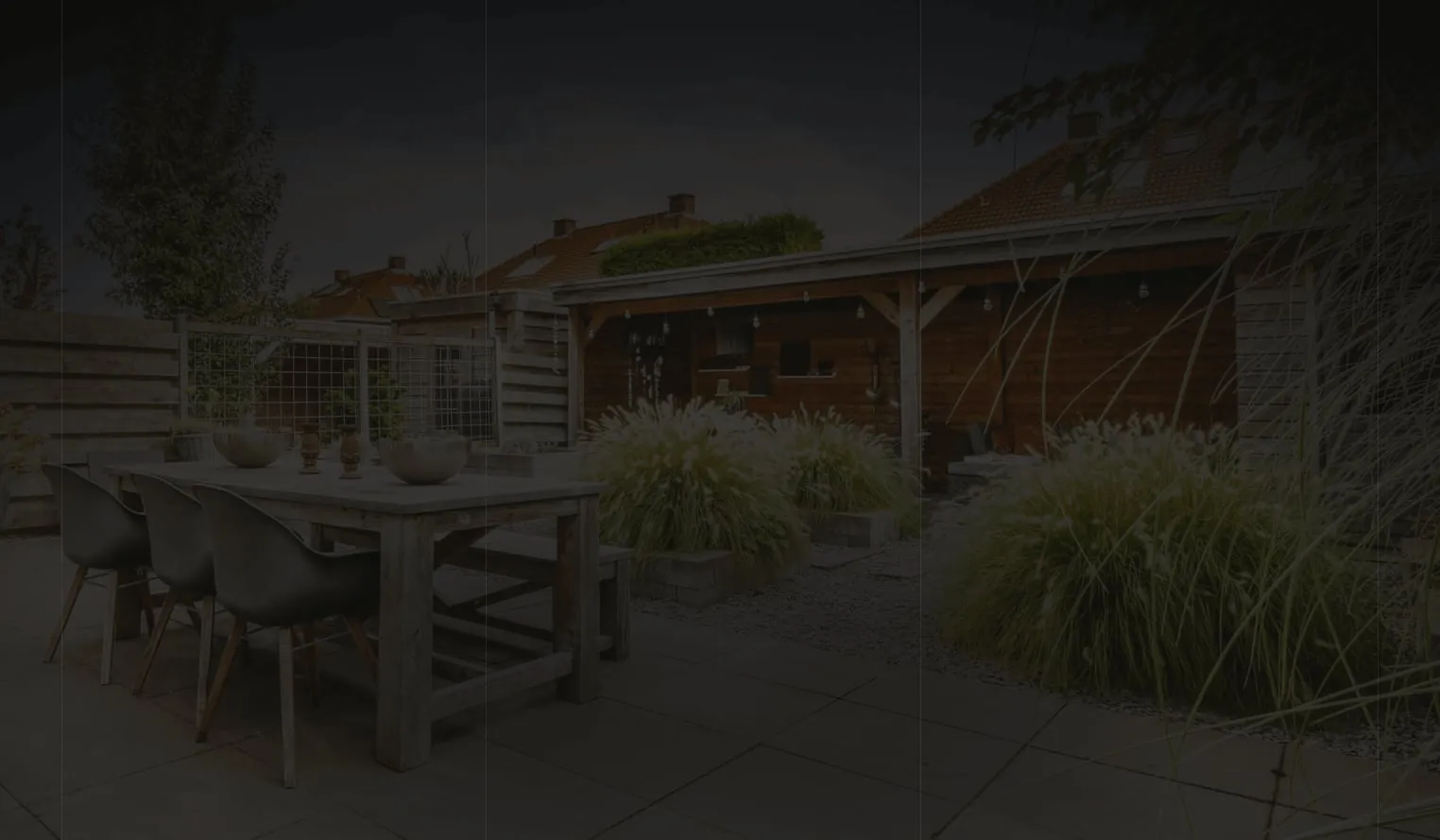

Designed for how you use the yard. Built for Michigan winters.
Custom Patio Design in
Oakland County, MI
Paver, natural stone and stamped concrete patios for Farmington Hills, West Bloomfield and Bloomfield Township, laid out around your house and built on a base that survives freeze and thaw.
A Patio Designed Around How You Use Your Yard
Most patios that go unused were designed from a catalog page instead of from the yard they sit in. They are too small for the table you own, in full sun at the hour you want to eat outside, or a step down from a door nobody uses. A custom patio starts with the questions a template skips. How many people sit out there on a normal evening, and how many at your biggest gathering? Where is the shade at 6pm in July? Which door do you actually carry plates through? Where does the water go when it rains? The answers set the size, the shape and where the patio meets the house. The material comes after that, and the base underneath comes after that, and in Michigan the base is what decides whether the patio still looks right in ten winters.
How Custom Patio Design Works
We start in your yard, not at a desk. Walking the space with you shows the things a survey will not: the low corner that stays wet after rain, the neighbor's window that looks straight down onto the lawn, the maple whose roots are already lifting the walk.
From there the design settles a few decisions in order. First, size: a table for six with chairs pulled out needs more room than most people expect, and a patio sized to the furniture feels cramped the first time you have guests. Second, shape and levels: a straight rectangle suits a modern house, curves soften a larger lot, and a sloped yard may want two levels joined by a step or a seat wall rather than a lot of fill. Third, connections: how the patio meets the door, the driveway, the garden and any walkways that lead to it.
Only then do we pick materials, and you approve them before anything is ordered. If you are planning a fire pit, a kitchen or lighting in the next few years, that goes into the design now, so gas lines and conduit can run under the patio before it is built instead of being cut in afterwards.
What Goes Into a Patio That Lasts Here
Laid Out Around Your House
Size, shape and position come from how you move through the yard and where the sun and shade fall, not from a stock plan.
Base Sized to Your Soil
Oakland County clay holds water. The depth of compacted base is set by what is underneath, because that is what heaves in winter.
Water Planned Before Stone
Every patio is pitched away from the house, and runoff is given somewhere to go before a single paver goes down.
Ongoing Maintenance
Keep your patio looking its best year after year with our seasonal services.
Pavers, Natural Stone or Stamped Concrete
All three make a good patio in Michigan when they are built correctly. They differ in how they handle winter, how they are repaired and what they ask of you afterwards. The right choice depends on the look you want, the house and how much upkeep you are willing to do.
See our hardscaping page for pavers and stone work generally, and our concrete page for poured and stamped slabs.
Concrete Pavers
Individual units locked together by sand in the joints, so the surface can flex a little as the ground moves instead of cracking. If a section settles or a root lifts it, those pavers come up and go back down level. The widest range of colors, shapes and patterns, and the most forgiving choice for a freeze and thaw climate.
Natural Stone
Flagstone, bluestone and similar cut or split stone. Every piece is different, so it suits older homes and gardens that should look like they have always been there. Laid on a compacted base with stone dust or polymeric sand in the joints, it moves with the ground the same way pavers do. It takes more labour to fit, which shows up in the price.
Stamped and Poured Concrete
One continuous slab, poured and then patterned and coloured to look like stone or brick. Fewer joints to weed and a clean, even surface. Concrete does crack, so control joints are cut to decide where. It needs resealing every few years, and rock salt on the surface in winter will damage it, especially in its first season.
The Base Is the Patio
What you see is the top inch. What decides how long it stays flat is the excavation and base underneath. Michigan winters freeze and thaw the ground over and over. Water trapped in the soil under a patio expands as it freezes and lifts whatever sits on top, and clay soil holds a lot of water. That is frost heave, and it is why a patio laid on a couple of inches of sand over topsoil is rocking and sunken within a few years. Doing it properly means digging out the topsoil, laying fabric over the clay where it is soft, and building up compacted crushed aggregate in thin layers, each one run over with a plate compactor. General industry guidance is 4 to 6 inches of compacted base for a walking surface on well drained soil, and more on clay. About an inch of bedding sand goes on top, then the pavers, then edge restraint so the field cannot creep outward.
Where the Water Goes
A patio is a new hard surface in your yard, and every drop of rain that lands on it has to go somewhere. The patio is pitched away from the house, typically around 1/8 to 1/4 inch per foot, enough to shed water without a table rocking on it.
That runoff then has to land somewhere it will not cause a new problem: not against the foundation, not into the neighbor's yard, and not into a low spot that stays soft for a week. On a flat clay lot that can mean a channel drain along the edge, a catch basin, or tying downspouts into buried pipe. If your yard already holds water, our yard drainage work is planned together with the patio so both are done while the ground is open.

I recently had White Maple Landscape build an outdoor kitchen on my patio, and I'm thrilled with the results. The team was attentive to my ideas and offered great suggestions. Their craftsmanship is outstanding. The kitchen looks amazing and works perfectly.
Sam Dox, Farmington Hills
Fire Pits, Kitchens and Lighting
A patio is usually the first piece of a larger outdoor space, and it is much easier to plan the rest now than to retrofit it.
A fire pit needs clear space around it for chairs and a safe distance from the house and overhanging trees. A gas fire pit needs its line run under the patio before it is built. An outdoor kitchen needs gas, power and sometimes water, plus a patio area big enough that the cook is not standing in the dining space. Outdoor lighting set into steps, seat walls and the patio edge makes the space usable after dark, and its wiring is simplest to lay before the base goes in.
Seat walls, a pergola for shade, or a retaining wall to level a sloped yard all change the layout too. You do not have to build it all at once, but it should all be on the drawing from the start.
Explore Our Selected Outdoor Patio Ideas
Discover hands-on patio designs frequently chosen by our clients in Oakland County. Customize your selected patio design idea to become the ideal solution for your home.

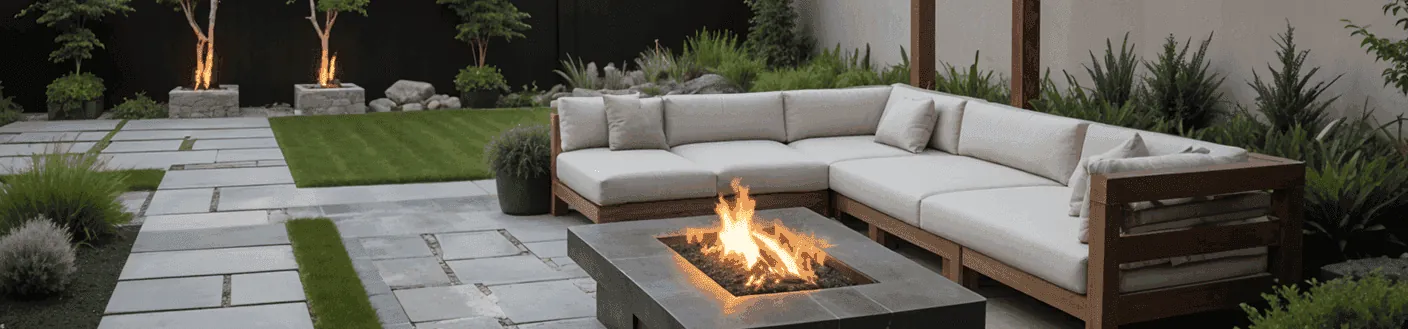
Patio with Fire Pit
Create a cozy gathering spot with a fire pit, perfect for evening relaxation.
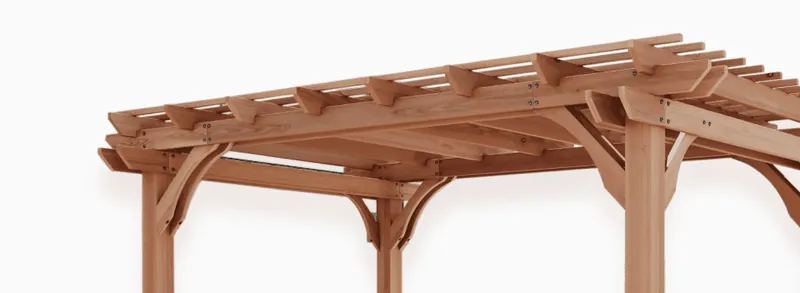
Patio with Pergola
Add elegance and shade with a wooden pergola, ideal for an afternoon chill.
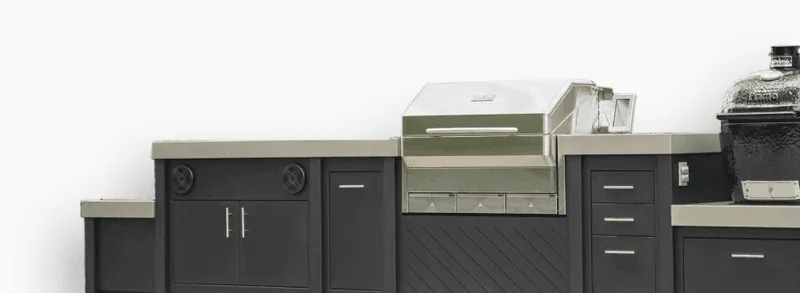
Patio with Outdoor Kitchen
Enjoy weekend summer grills and host BBQ parties with an outdoor kitchen.

Natural Stone Patio
Experience timeless durability and a classic look with a natural stone patio.
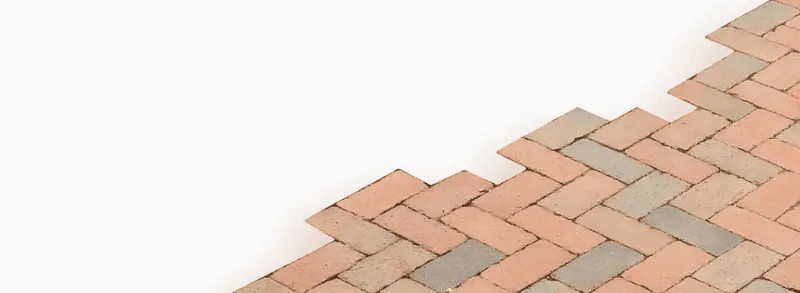
Brick Patio
Choose a patio of brick pavers for longevity and a countryside aesthetic.
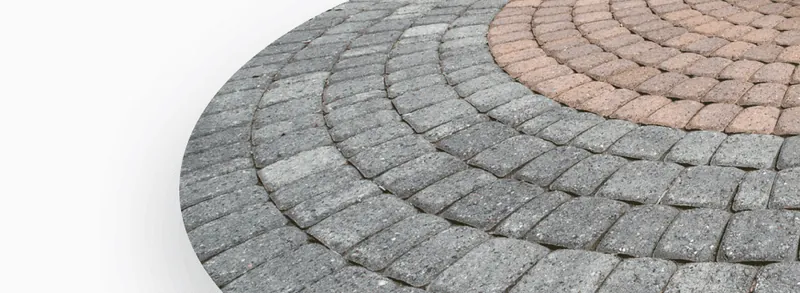
Hardscape Paver Patio
Opt for a paver patio to get the advantage of versatility and durability.
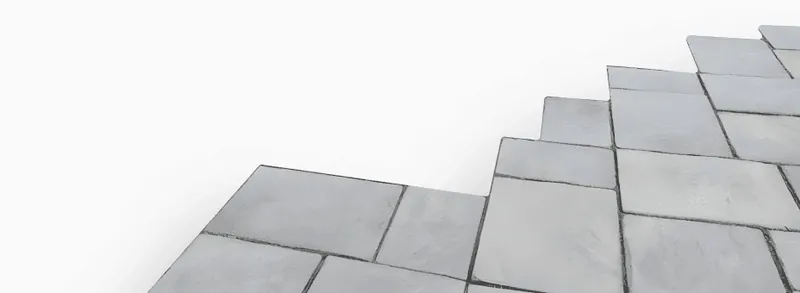
Concrete Paver Patio
Pick a concrete patio for a sleek, modern feel and an easy-to-maintain surface.
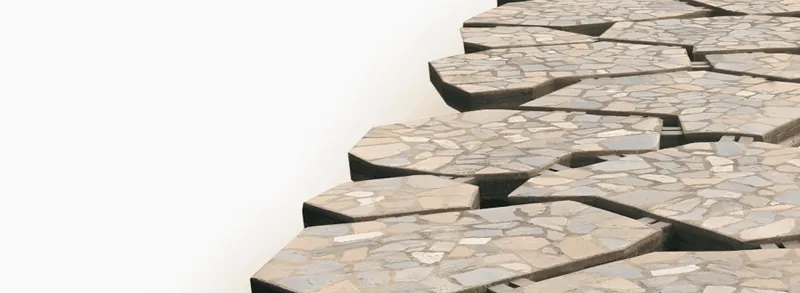
Stamped Concrete Patio
Mimic the look of stone or brick with this affordable and durable material.

Start Designing Your Dream Patio
in Just a Few Days

Share Your Patio Idea With Us
Call or fill out the form to tell us how you want to use the space. We'll help you refine it!
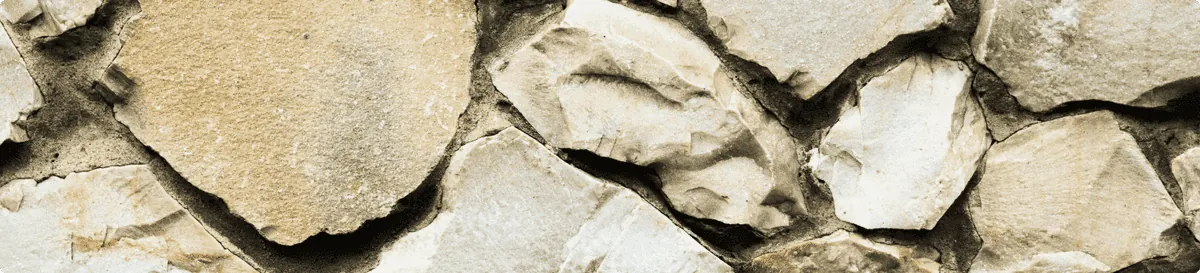
Approve Materials
Review and approve the materials we'll use for your patio project.

Get a Final Quote
Receive a detailed quote that outlines the scope of work and costs within 24 hours.

We're Outside Your House
Sit back and relax while our professional team brings your dream patio to life.
Get a quoteWhat Drives the Cost of a Custom Patio
Two patios of the same size can be priced very differently. These are the things that move the number:
- Size and shape. Square footage sets the base cost. Curves, angles and borders add cutting time on top of it.
- Material. Standard pavers, premium pavers, natural stone and stamped concrete all price differently, in both material and labour.
- Site and soil. Soft clay needs more excavation and more base, and the dug out soil has to be hauled away.
- Grade. A flat yard is the simplest case. A slope may need steps, a second level or a retaining wall.
- Access. Whether equipment can reach the backyard, or material has to come in by hand, changes the labour.
- Removal. Taking out an old patio, slab or deck first adds demolition and disposal.
- Add ons. Drainage, fire features, seat walls, lighting and gas lines each add their own scope.
We price your actual yard, not an average, and you get the full quote before any work starts.
Where We Work
We serve homeowners throughout Oakland County, Michigan.
Custom Patio Questions
Both work when they are built on a proper base. Pavers are individual units, so they flex slightly as the ground freezes and thaws, and a section that settles can be lifted and relaid. Stamped concrete is one slab with fewer joints, but it will crack at some point, needs resealing every few years, and does not tolerate rock salt well. If low repair risk matters most, pavers are the safer choice. If you want a continuous surface and are happy to reseal it, stamped concrete is a good option.
Almost always the base. Water in the soil under the patio freezes, expands and lifts the surface, then drops it again as it thaws. Clay soil, which is common across Oakland County, holds more water and makes this worse. A patio built on a thin layer of sand over topsoil will move. One built on properly compacted crushed aggregate, with water directed away from it, stays flat.
Patios can be built any time the ground is not frozen or saturated, which in southeast Michigan is roughly spring through late fall. Design and quoting can happen any time of year. Spring and early summer are the busiest weeks, so planning over the winter is the way to be on the schedule when the ground opens up.
A patio built at ground level often does not need a building permit, but rules differ between cities and townships, and many HOAs have their own approval process. Gas lines for a fire pit or kitchen and new electrical for lighting generally do need permits, as do structures like pergolas. Check with your city and your HOA before you commit to a design.
Start from the furniture and the people. A dining table needs room for chairs to be pushed back and for someone to walk behind them. A seating area around a fire pit needs space on every side. Measure what you plan to put out there, add walking room, and then check the result against your busiest gathering, not your quietest evening.
Yes, but it is cheaper and neater to plan for them now. Gas and electrical lines are easiest to run under the patio before it is built. Even if the fire pit or kitchen comes a few years later, sleeves and conduit laid in during construction save cutting up a finished patio.
It depends on size, material, soil, grade, access, and anything extra like drainage, steps, walls or gas lines. A simple paver patio on a flat yard with good access and a complex multi level stone patio on a slope are very different jobs. We price your yard specifically and give you the full quote before any work starts.
Sweep it, rinse it, and top up the joint sand when it gets low, since the sand is what locks the pavers together. Use a plastic shovel or blade in winter, and go easy on rock salt. Check in spring after the frost comes out for any pavers that have shifted, because they are easy to reset while the problem is small.
Explore Our Other Services
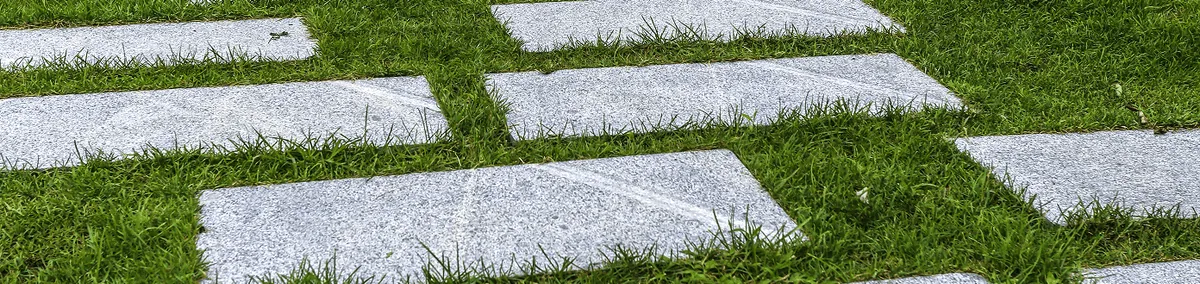
Walkways
Professional walkway design and installation in Oakland County, MI. White Maple builds durable concrete, paver, flagstone, and stamped concrete walkways in Farmington Hills, West Bloomfield, and surrounding areas.

Concrete
Expert stamped and decorative concrete installation in Oakland County, MI. White Maple Concrete specializes in driveways, patios, walkways, and hardscaping for Farmington Hills, West Bloomfield, and Bloomfield Township.
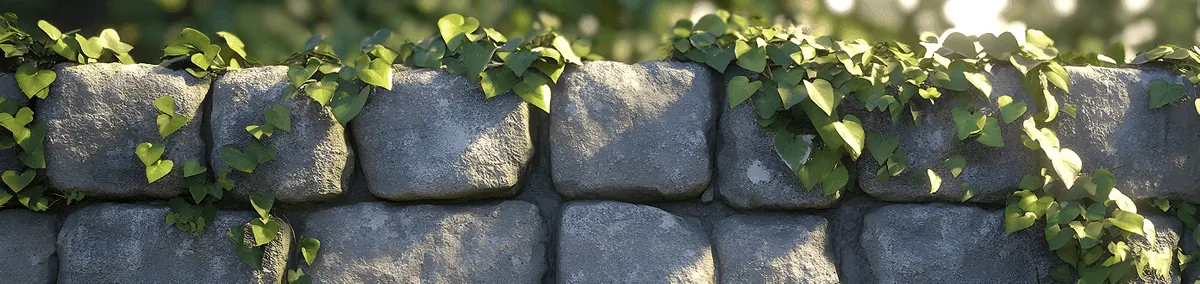
Retaining Walls
Enhance your landscape with durable concrete, stone, or paver retaining walls. Prevent soil erosion, protect multi-level areas, and add visual depth to your outdoor space.
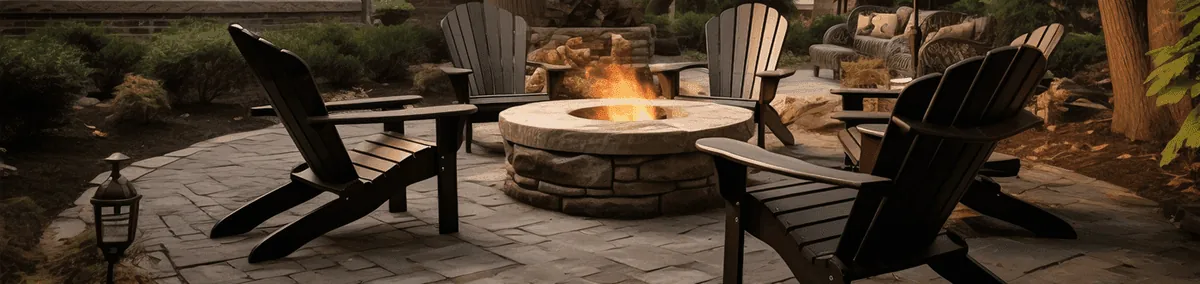
Fire Pits
Custom fire pit design and installation in Oakland County, MI. Transform your backyard into a cozy retreat with a beautiful fire pit built by White Maple in Farmington Hills and surrounding areas.
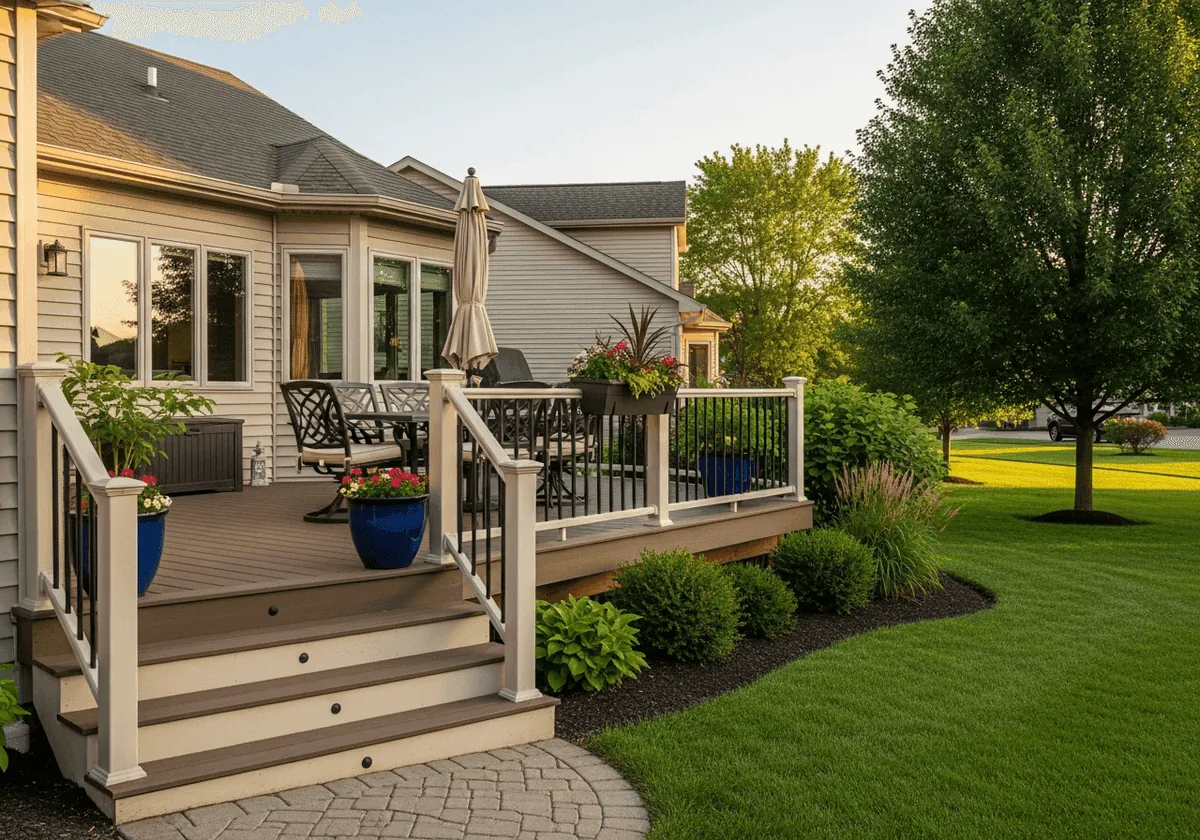
Custom Decks
Top-rated custom deck builder in Oakland County, MI. Expert design and installation for Trex composite, cedar, and hardwood decks. Free quotes for Farmington Hills and surrounding areas.
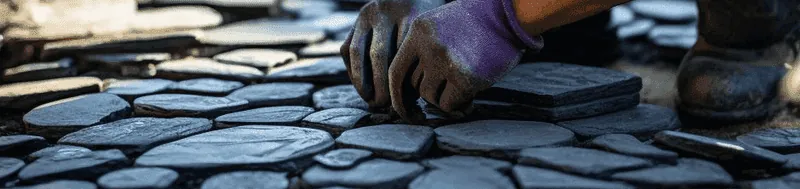
Hardscaping
Transform your outdoor space with custom hardscape installation. Let our experts create a beautiful and functional hardscape design for your Oakland County residence.