
Every landscaper says quality. The difference between a high-end landscaper and an average one is rarely visible the day the job is finished. It shows up two or three Michigan winters later, when one patio is still flat and the other has sunk at the corners, or one planting has filled in and the other is half dead. Here are four differences that actually matter, and how to spot them before you sign.
1. Design Skill, Not Just Installation
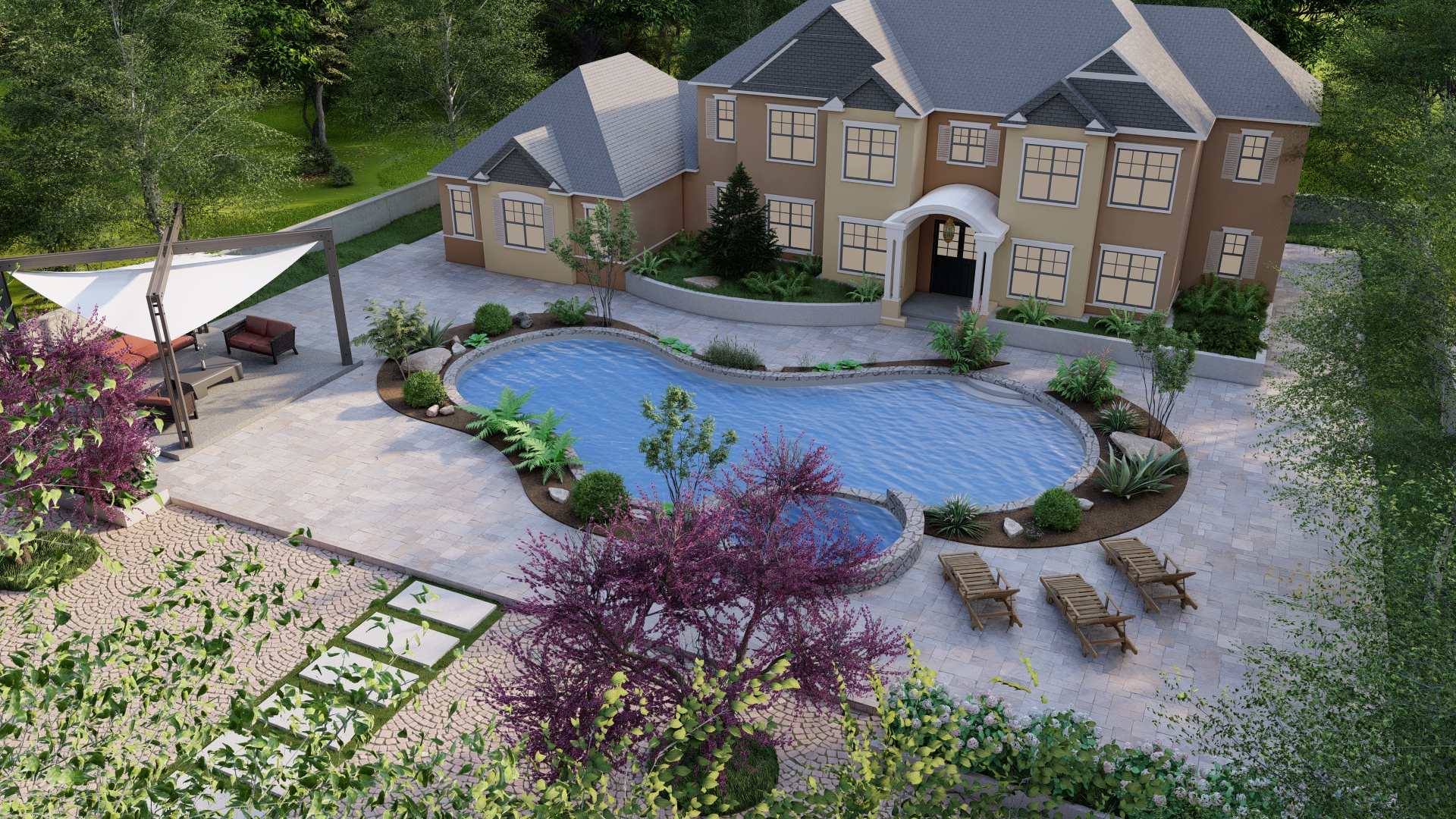
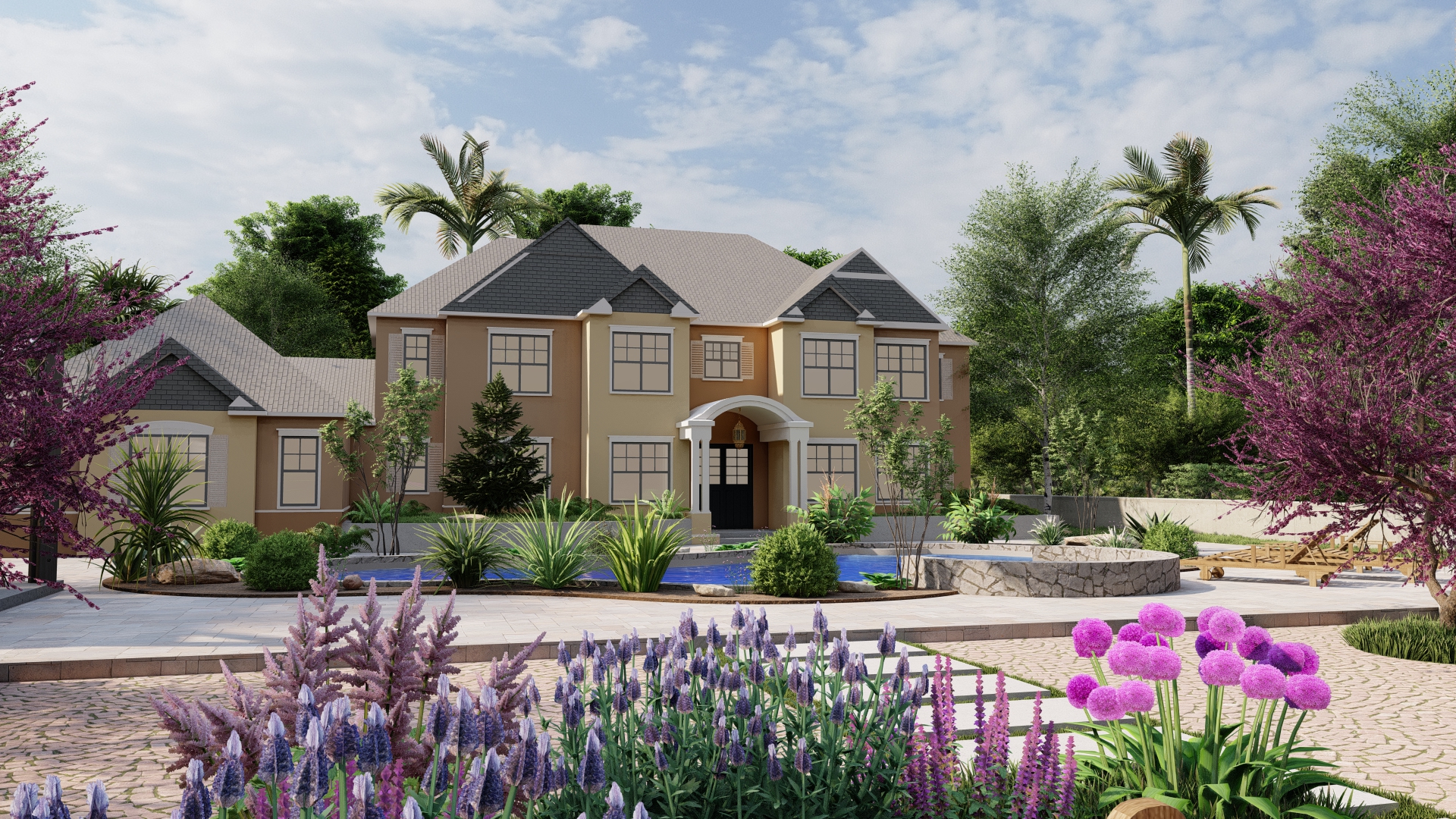
A high-end landscaper can design the whole property, not just install what you point at. That means understanding how plants, hardscape, drainage and lighting work together, and knowing which plants survive clay soil and a zone 6 winter in southeast Michigan. It also means working confidently in a range of materials, from natural stone to concrete pavers, and knowing where each one belongs.
How to check: ask to see a plan or drawing from a past job, not just photos. Ask why they chose the plants they did. See landscape design for how we approach it.
2. The Work You Never See
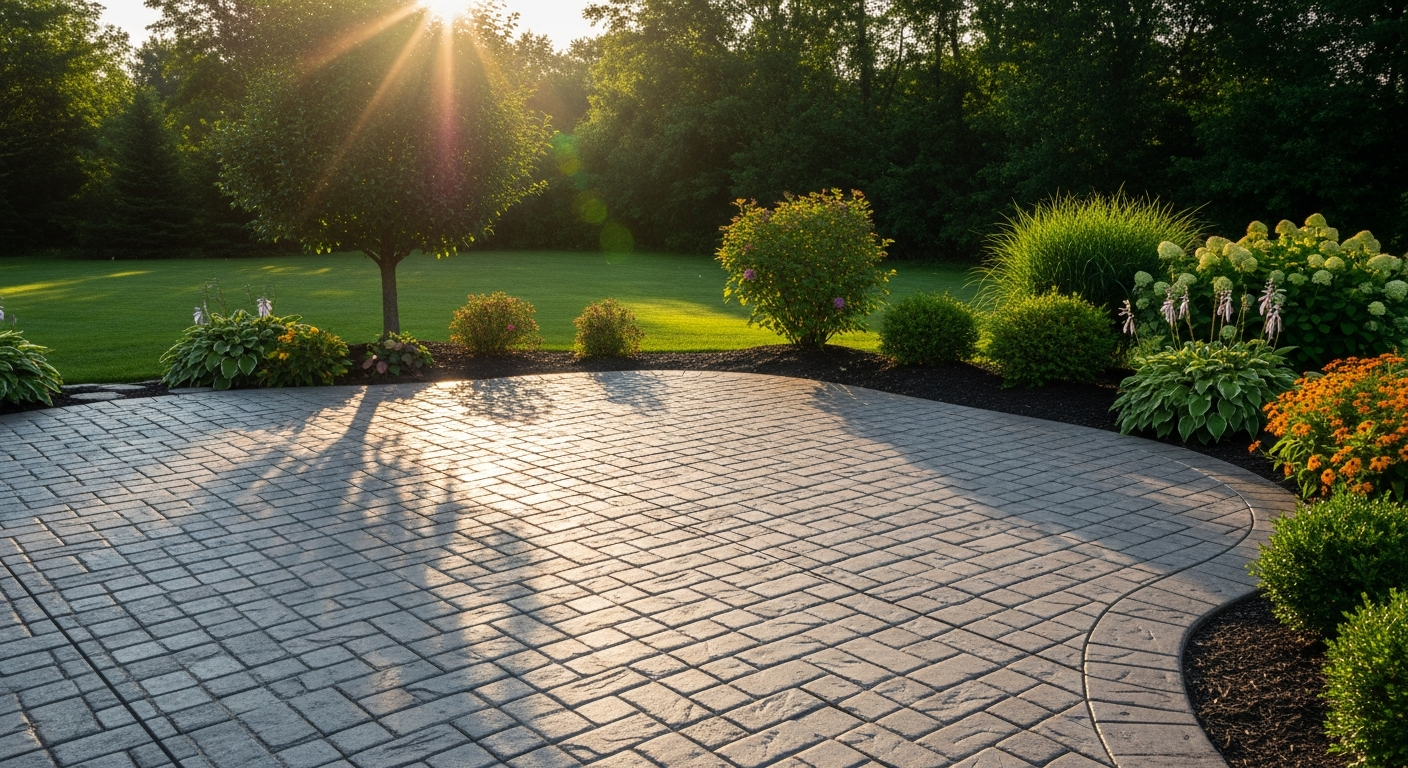
Most of the difference in hardscape is underground. A patio or walkway lasts in Michigan because of the excavation, the compacted gravel base and the drainage under it. Freeze-thaw cycles and heavy clay find every shortcut, and an average installer skimps on excavation or compaction precisely because nobody can see it once the pavers are down.
Planting works the same way. Correct depth, with the root flare at or slightly above grade, decent soil and watering through the first season decide whether a tree survives. Trees planted too deep are one of the most common failures in new landscapes.
How to check: ask how deep they excavate for a patio, how they compact the base and how water gets away from the surface. A good answer is specific. See hardscaping.
3. Materials That Suit the Climate
High-end work uses materials that hold up here: dense concrete pavers or natural stone suited to freeze-thaw, wall block with drainage stone behind it, and plants chosen for northern winters. The cheaper option often looks identical on day one. The difference is how it weathers.
How to check: ask which brand and product line of pavers or wall block they plan to use, and look it up. Ask what the warranty covers for materials and what it covers for workmanship.
4. How the Job Is Run
Communication is the part homeowners notice most. A good landscaper gives you a written scope and a clear quote, tells you when the crew will arrive, calls ahead when the weather moves the schedule, and walks the finished job with you. An average one leaves you guessing.
- Who will be on site running the job day to day?
- Do you use subcontractors, and for which parts of the work?
- Can I see your certificate of liability insurance?
- Who calls MISS DIG? Michigan law requires a MISS DIG 811 notice at least three business days before digging, and a professional handles it without being asked.
What This Means for Price
A high-end landscaper will rarely be the lowest quote. Part of the difference is the base, the materials and the time spent on details you cannot see. When you compare quotes, line them up on the same scope: same square footage, same base, same materials. A cheaper quote that leaves out half the base is not a cheaper patio.
If you are comparing landscapers in Farmington Hills or nearby, request a quote and ask us the same questions. For more on the hiring process, see working with a professional landscaper.