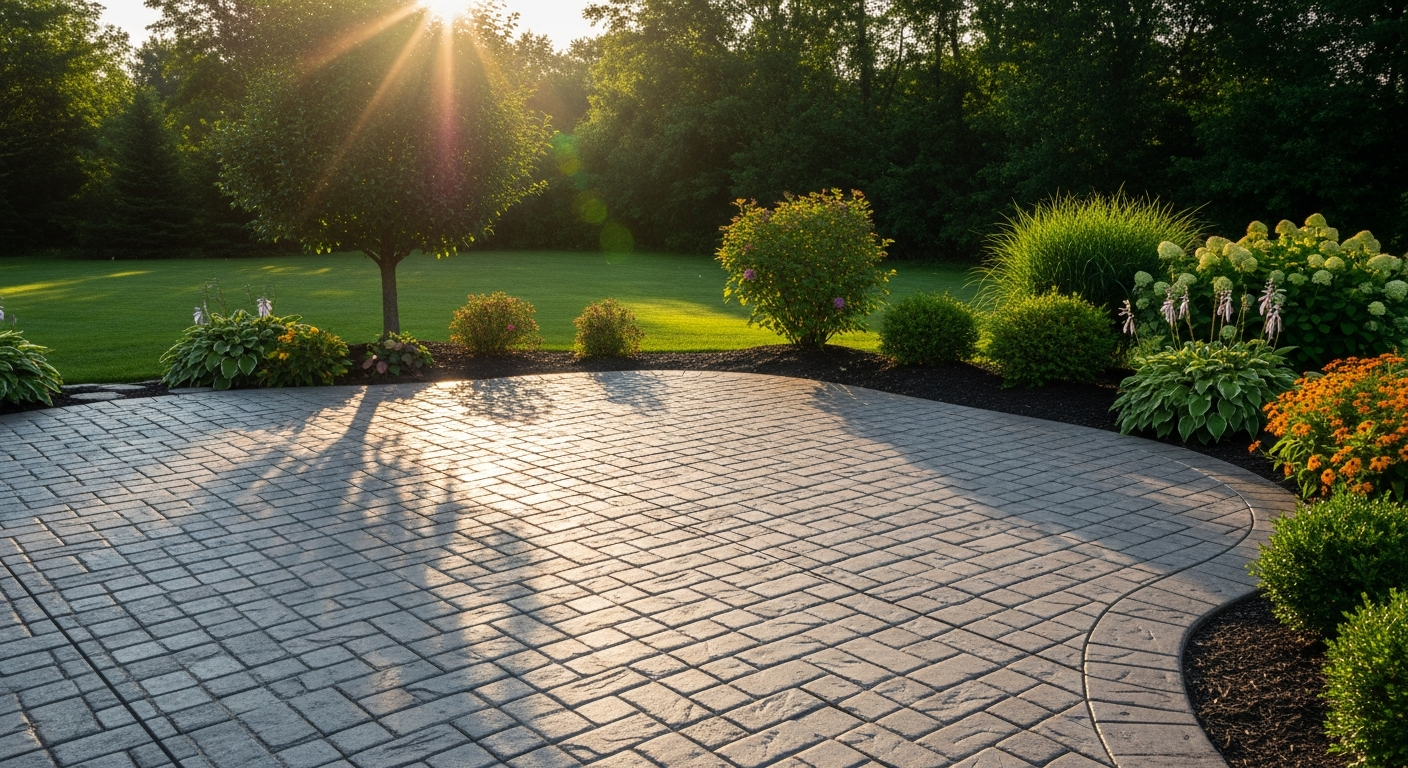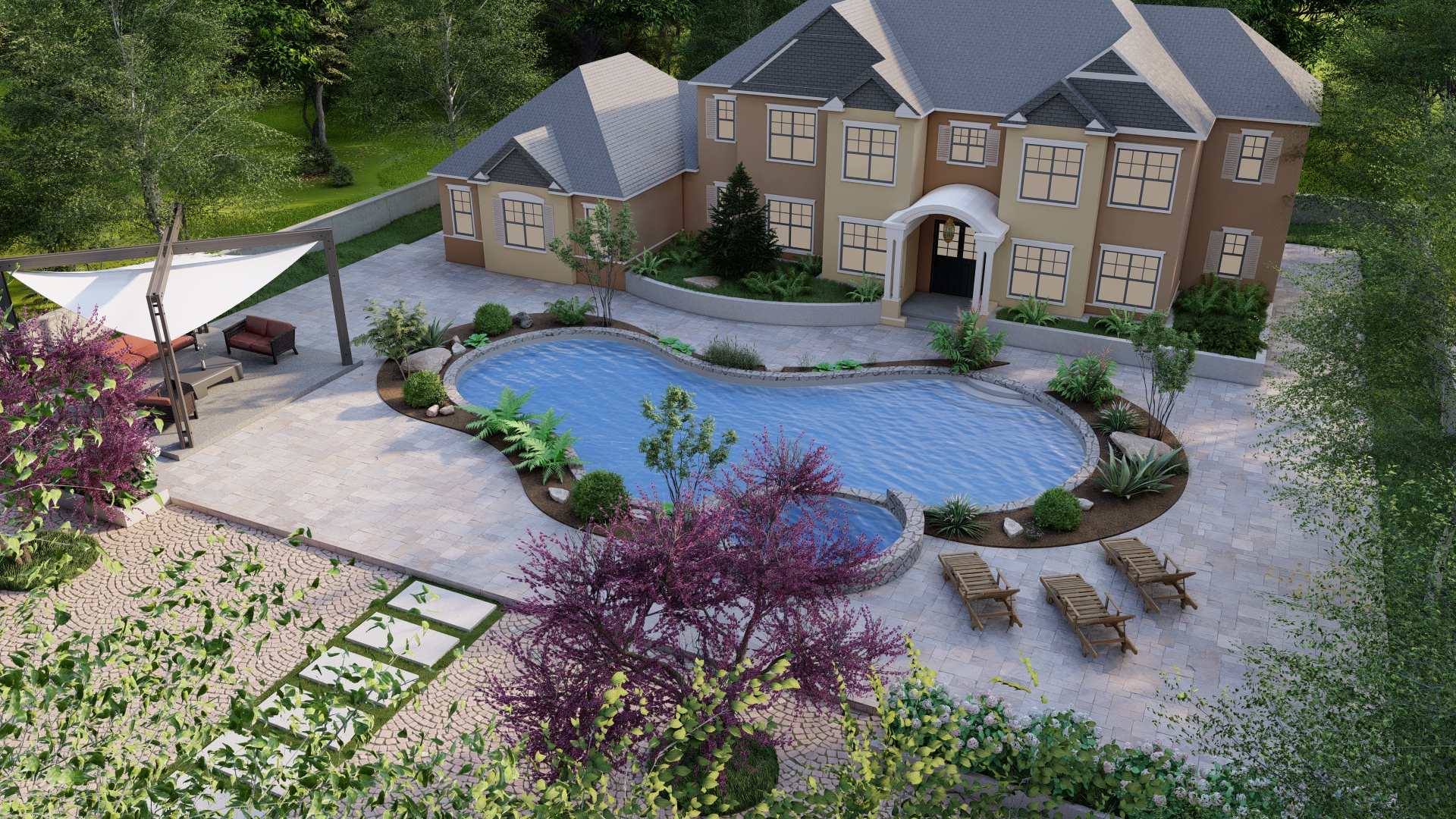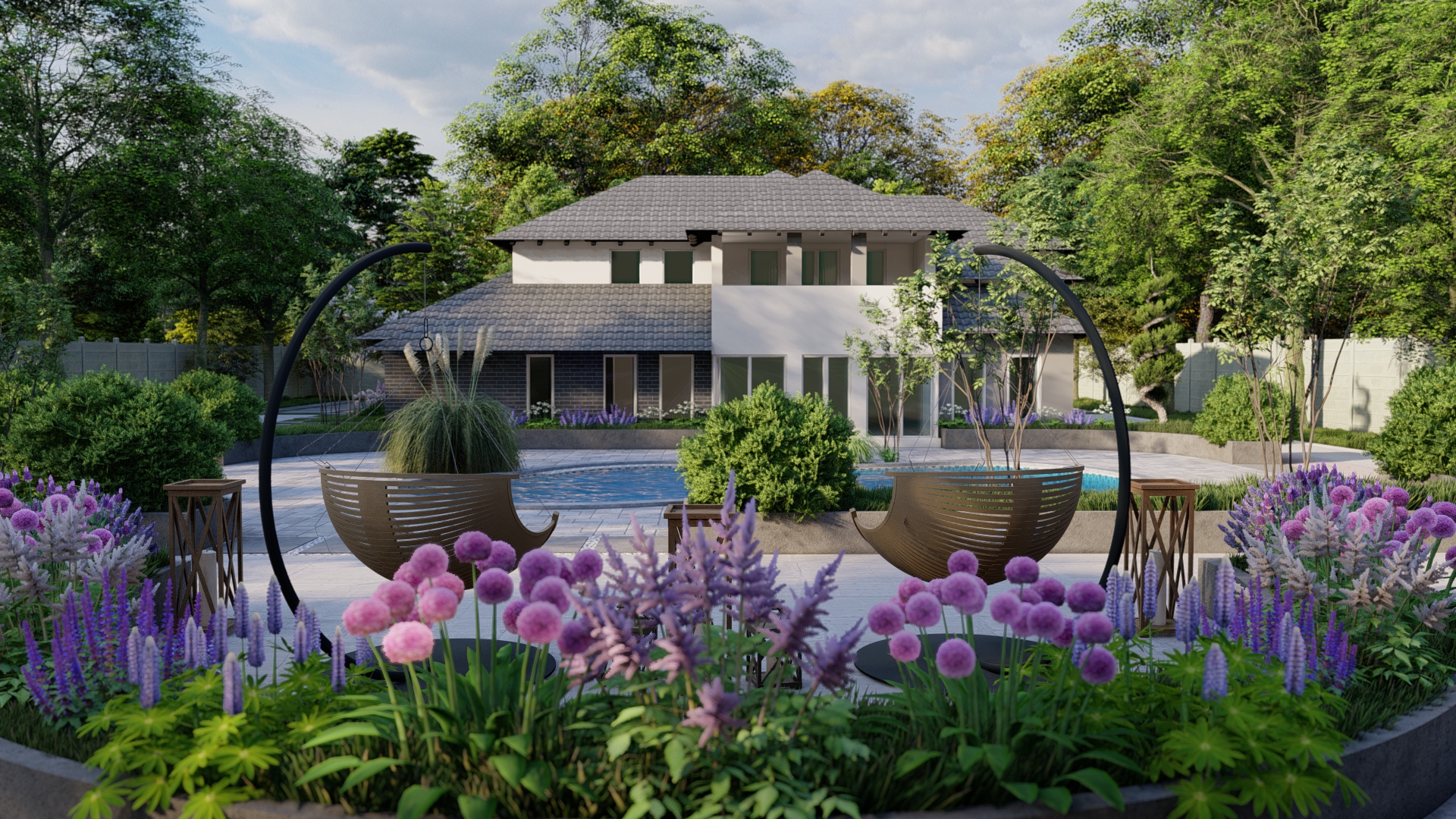

Your yard is an extension of your home: a place to relax, entertain and spend the warm months. Getting it there takes more than picking plants. It means working out how you will use the space, what the site will let you do, and what you are willing to maintain.
Landscape design combines living elements such as plants, trees and lawn with built elements such as patios, walls and lighting. A remodel reworks an existing yard, whether that is adding a patio or outdoor kitchen, replacing overgrown beds, or fixing a layout that never worked. The planning steps are the same for both.
Start With How You Use the Yard
List what you actually want to do outside. Entertaining calls for a patio sized for the table and chairs you own, and maybe an outdoor kitchen. Quiet evenings suggest a fire pit or a sheltered seating area. Kids and dogs need open lawn. Most yards do two or three of these things, and the design is about fitting them together without crowding.
Work With the Site
- Soil: much of Oakland County sits on heavy clay. It holds water, drains slowly and compacts. Plant choices and bed preparation should allow for it.
- Drainage: every patio and bed should move water away from the house. Wet spots and downspout outlets need a plan before anything is built. See drainage.
- Slope: grade changes can become steps, terraces and retaining walls instead of a problem.
- Frost: structures such as decks and pergolas need footings below the frost line, which is typically 42 inches in southeast Michigan. Your city building department confirms the requirement and any permits. See custom decks.
- Sun and wind: where the afternoon sun falls decides where a patio is comfortable in July.
Match the Style of the House
The landscape should look like it belongs to the house. Clean lines, large format pavers and restrained planting suit a modern home. Brick, curved beds and layered planting suit a traditional one. Repeating a material or color from the house, such as the brick or the trim color, ties the two together.
Plant for Michigan
Native plants are adapted to the local climate and generally need less water and care once established. Michigan natives such as butterfly weed, wild bergamot, black-eyed Susan and little bluestem also support pollinators. Where water collects, a rain garden can turn a soggy spot into a planted feature, although on clay it needs proper soil preparation to drain. Permeable pavers are another way to handle runoff on hard surfaces.
Plan for Maintenance
Be honest about how much upkeep you want. Large lawns, annual beds and water features take the most time. Shrubs, groundcovers, perennials and hardscape take less. A design that matches the time you have will look better in five years than an ambitious one nobody keeps up.
Phase the Work
A full remodel does not have to happen in one season. A good plan can be built in phases: drainage and hardscape first, planting next, lighting and finishing touches last. Designing the whole yard up front means each phase fits the next.
Ready to plan a design or remodel? See landscape design or request a quote.