
Most lawns in southeast Michigan are cool season grasses: Kentucky bluegrass, perennial ryegrass and fescues. They grow hardest in spring and fall, slow down in the heat of summer, and go dormant over winter. A few simple habits, timed to that cycle, do more for a lawn than any single product.
Mow High
Keep the grass at about 3 to 3.5 inches. Taller grass shades the soil, holds moisture and crowds out weeds, and short mowing stresses the lawn and invites crabgrass. Never take off more than a third of the blade at once, keep the mower blade sharp, and leave the clippings on the lawn. They break down quickly and return nutrients to the soil.
Water Deeply and Less Often
A lawn needs roughly an inch of water a week, rain included. Water deeply once or twice a week rather than a little every day, which encourages deep roots. Early morning is best, because less water evaporates and the grass dries off during the day. In a long dry spell a healthy lawn can go dormant and brown and recover when rain returns. If you have a sprinkler system, have it checked each spring and blown out each fall; see irrigation.
Stay Ahead of Weeds
A thick lawn is the best weed control there is. For crabgrass, a pre-emergent goes down in spring before the seeds germinate, which happens once the soil warms to around 55 degrees. Forsythia blooming is a handy reminder. Pull broadleaf weeds by hand, roots and all, before they set seed, and overseed thin areas so weeds have nowhere to start.
Fertilize at the Right Time, and Within the Rules
- Fall is the most important feeding for cool season grass in Michigan. It builds roots and gets the lawn off to a stronger start in spring.
- Michigan law restricts phosphorus in lawn fertilizer. Unless a soil test shows a deficiency or you are establishing a new lawn, use a phosphorus-free product; the middle number on the bag should be zero.
- Do not fertilize frozen or saturated ground, and sweep any granules off driveways and sidewalks so they do not wash into storm drains.
- Follow the label rate. More fertilizer does not mean more green, and too much can burn the lawn.
Aerate in the Fall
The heavy clay common across Oakland County compacts easily, which starves roots of air and water. Core aeration pulls small plugs of soil out so air, water and nutrients reach the roots. Early fall is the best time, while the grass is actively growing and can fill in the holes before winter. It is also the ideal moment to overseed. Our post on fall cleanup timing in Farmington Hills covers how aeration and seeding fit around leaf season.
Mind the Seasons
- Spring: wait until the soil is firm enough to walk on without leaving footprints before raking or working the lawn. Clay compacts badly when it is wet.
- Summer: raise the mower, water deeply and avoid heavy fertilizing in the heat.
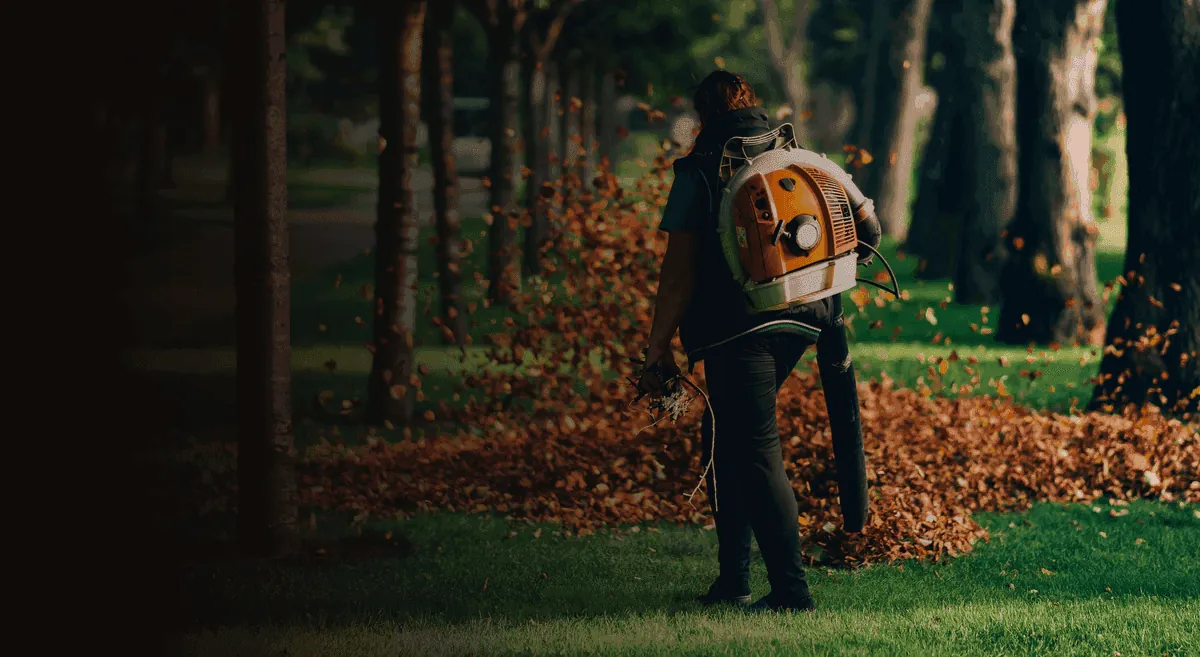
- Fall: keep leaves off the lawn so they do not mat and invite snow mold. See fall and spring cleanup.
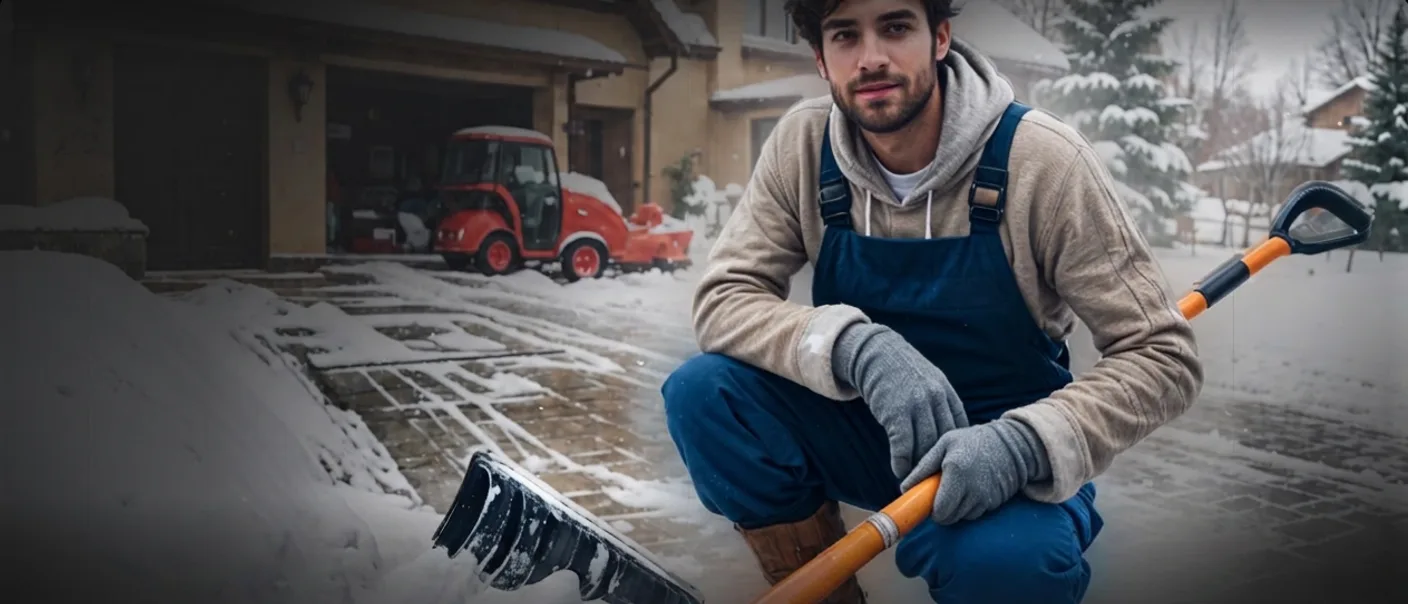
- Winter: stake the driveway edges so plows and shovels do not tear up the turf, and expect to patch salt damage along drives and walks in spring.
If water pools on the lawn after every rain, that is a drainage problem rather than a lawn care one. For help keeping the yard in shape through the year, see seasonal maintenance or request a quote.